


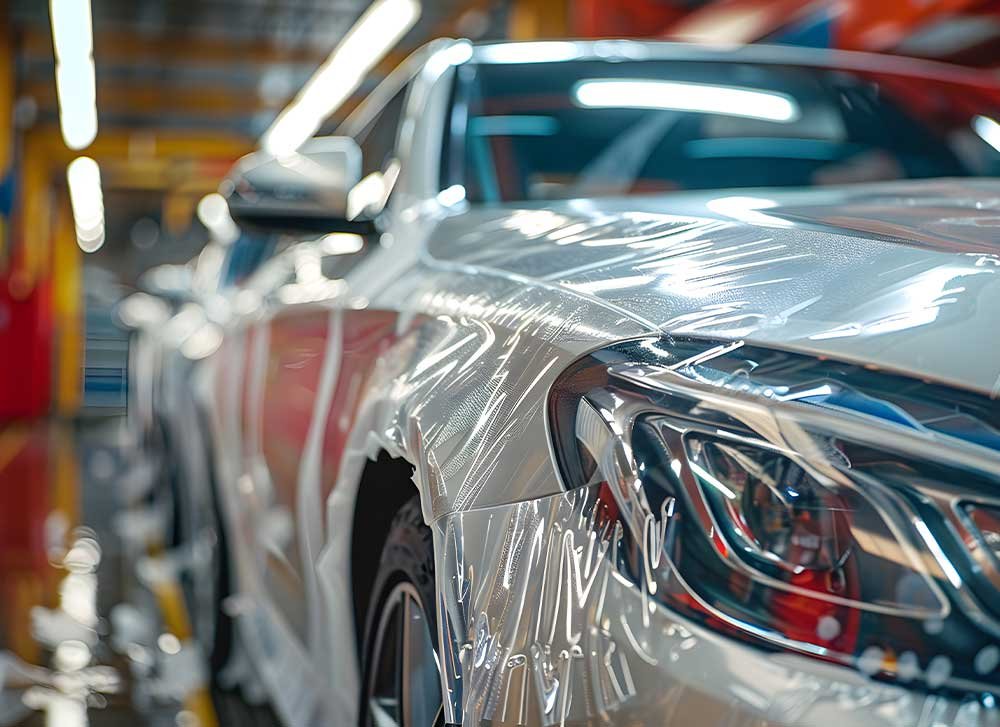
More Than Just a Film — It’s Smart Protection
You’ve probably heard of Paint Protection Film (PPF) by now — a transparent layer that shields your car’s paint from scratches, chips, and the everyday wear-and-tear of driving in Dubai. But what you may not know is that some PPFs can actually heal themselves. Sounds like science fiction? It’s not.
Self-healing PPF is one of the most advanced automotive protection technologies available today — and in Dubai’s punishing climate, it’s quickly becoming the go-to choice for car enthusiasts, luxury vehicle owners, and even fleet managers.
At Wrapsters, we apply high-grade self-healing PPF to everything from supercars to SUVs. In this blog, we’re breaking down how self-healing PPF works, what makes it different, and why it’s ideal for life in the UAE.
What is Self-Healing PPF?
Self-healing PPF is a high-performance, multilayer polyurethane film with the ability to repair surface-level scratches, swirls, and marks through heat activation. Unlike standard PPF that simply protects, self-healing film actively restores itself when exposed to sunlight, warm water, or heat guns.
It’s the closest thing we have to “invisible armor” — and it’s designed to take abuse so your paint doesn’t have to.
The Science: How Does It Actually Heal?
The secret lies in the film’s topcoat layer, which is made of a flexible, elastomeric polymer.
Here’s how it works:
- When a small scratch or swirl mark occurs (from dust, washing, fingernails, or road debris), it disrupts the surface layer.
- Because the topcoat is elastic and thermally reactive, it “relaxes” when heat is applied.
- This causes the molecules to shift back to their original configuration — effectively filling in the scratch.
Typical heat sources that trigger healing:
- Sunlight: Dubai’s UV rays are actually useful here.
- Hot water: Pouring warm water over affected areas accelerates the process.
- Heat gun or hairdryer: For deeper surface marks or shaded areas.
Self-healing is usually limited to surface-level imperfections — deeper gouges or rock chips still require manual repair, but the most common day-to-day marks are handled automatically.
Benefits of Self-Healing PPF in Dubai
Dubai’s driving conditions are beautiful — but also brutal. Self-healing PPF is particularly well-suited for the region because of:
- High UV & Ambient Heat
Dubai’s intense sunlight naturally keeps the film’s surface at healing temperature for much of the day. This means minor scratches disappear without any effort.
- Frequent Sand & Dust Exposure
Dust particles on your paint act like fine grit sandpaper. Wiping them off incorrectly causes micro-abrasions. Self-healing PPF absorbs this wear and regenerates overnight in your parking garage.
- Automatic Car Wash Risks
Many people use automated car washes out of convenience — but those brushes and cloths can cause swirl marks and hazing. Self-healing PPF protects your paint and smooths over the light marks left behind.
- Luxury Vehicles with Soft Clear Coat
High-end cars like BMW, Mercedes, Porsche, and Tesla often have softer paint clear coats that scratch easily. Self-healing PPF adds a durable outer layer without altering your car’s finish.
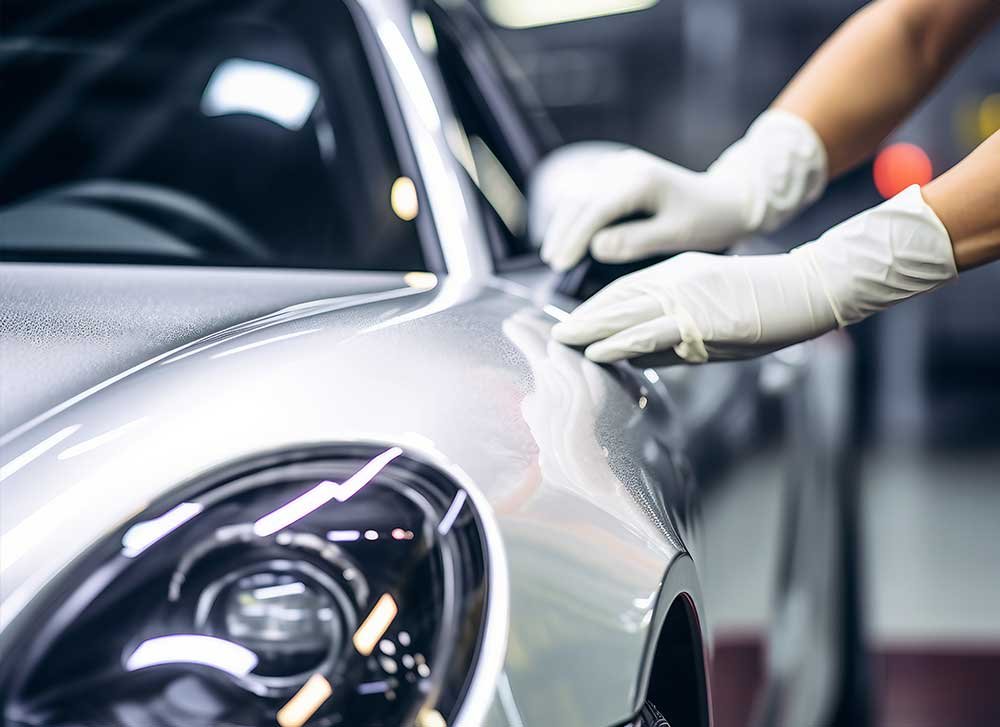

Self-Healing PPF vs. Standard PPF: What’s the Difference?
Feature | Standard PPF | Self-Healing PPF |
Scratch resistance | ✅ | ✅✅✅ |
Self-repairs swirls | ❌ | ✅ |
Sunlight-activated healing | ❌ | ✅ |
Ideal for Dubai climate | ✅ | ✅✅✅ |
Cost | Lower | Premium |
Lifespan | 5–7 years | 7–10 years (with care) |
Self-healing PPF usually costs more upfront, but offers significantly better aesthetics and longer-lasting protection — especially for black, dark grey, and high-gloss finishes that show marks easily.
Common Misconceptions About Self-Healing PPF
Myth 1: “It repairs deep scratches.”
Not quite. It only heals surface-level swirls and light scratches. Rock chips or deep gouges won’t self-heal.
Myth 2: “It stops all damage.”
PPF is protective, but not bulletproof. It reduces risk of damage, but physical impact (like from gravel at high speed) can still leave a mark.
Myth 3: “It won’t work if it’s cloudy or parked indoors.”
It still works — but slower. You can trigger healing with warm water or heat gun if needed.
Wrapsters Installation: What to Expect
At Wrapsters, we install self-healing PPF in a climate-controlled wrapping bay to ensure a dust-free environment and perfect film adhesion. The process includes:
- Surface prep: Decontamination, polishing, and correction if needed.
- Panel mapping: We use pre-cut templates or custom cuts based on your car’s exact model.
- Application: High-tack adhesive applied with professional tools.
- Curing & post-inspection: We allow the film to settle and inspect for any bubbles or edges.
- Aftercare guide: We show you how to maintain and maximize the life of your new film.
We offer partial kits, full front wraps, and full-body self-healing PPF installations — all using premium brands rated for Dubai’s climate.
How Long Does Self-Healing PPF Last?
With proper installation and basic care, high-quality self-healing PPF can last 7 to 10 years in Dubai — even longer with routine maintenance. It resists yellowing, cracking, and delamination, making it a worthwhile long-term investment for your car.
Is It Worth It? Our Take
If you drive a daily vehicle you want to protect and keep looking fresh — yes.
If you own a luxury or performance car with soft paint — absolutely yes.
If you’re in and out of malls, valet lots, tight garages, and wash stations — you’ll benefit from it daily.
In Dubai, where the environment is constantly working against your paint, self-healing PPF offers peace of mind, enhanced appearance, and lasting value.
Conclusion: The Smartest Film for a Harsh Climate
Dubai’s roads are beautiful, but they’re not forgiving. Whether you’re driving a brand-new Range Rover, a satin-finished G-Wagon, or a daily-driven sedan, self-healing PPF gives you a protective edge — one that actually repairs itself.
Ready to upgrade your car’s defense system? Book your self-healing PPF consultation at Wrapsters today.