



Common Myths About Car Protection
Introduction: The Myth of the Magical Film
It’s a conversation we have often at Wrapsters.
A client comes in with visible scratches, swirl marks, fading, or rough patches on their car’s paint — and they ask:
“If I apply Paint Protection Film or a Ceramic Coating… will it fix all this?”
We get it. These products have impressive names and even more impressive price tags. And yes, they do incredible things for preserving your car’s appearance — but they are not magic wands.
In this blog, we’re going to bust some of the most common myths around PPF and ceramic coatings, explain what they can do, what they can’t, and help you make the right decision based on the actual condition of your paint.
What is PPF, Really?
Paint Protection Film (PPF) is a clear, thermoplastic urethane film that is applied to the painted surfaces of your car. It’s designed to:
- Absorb small rock chips, debris, and light scratches
- Protect against UV fading
- Resist stains from bird droppings, tree sap, or bugs
- Self-heal minor swirl marks (with heat)
But here’s the key: PPF protects the surface it’s applied to — it doesn’t fix it.
If the paint underneath is already scratched, faded, oxidized, or uneven, PPF will simply preserve that imperfection underneath a shiny, clear layer.
What About Ceramic Coating?
Ceramic coating is a liquid polymer applied by hand and cured over your paint (or your wrap or PPF). It forms a hydrophobic, chemical-resistant layer that repels water, dirt, and contaminants.
Ceramic coatings:
- Make your car much easier to clean
- Add high gloss (or preserve matte finishes)
- Provide UV and chemical protection
- Reduce swirl marks from washing
But again — it doesn’t repair paint. It enhances what’s already there.
Common Myths (and Truths) About PPF and Coating
❌ Myth 1: PPF Will Remove Scratches on My Car
Not true. It may hide very light swirl marks, but anything deeper than a surface-level imperfection will still be visible.
✅ Truth: PPF can prevent new scratches from occurring — but the surface must be corrected first.
❌ Myth 2: Ceramic Coating Will Make My Paint Look New Again
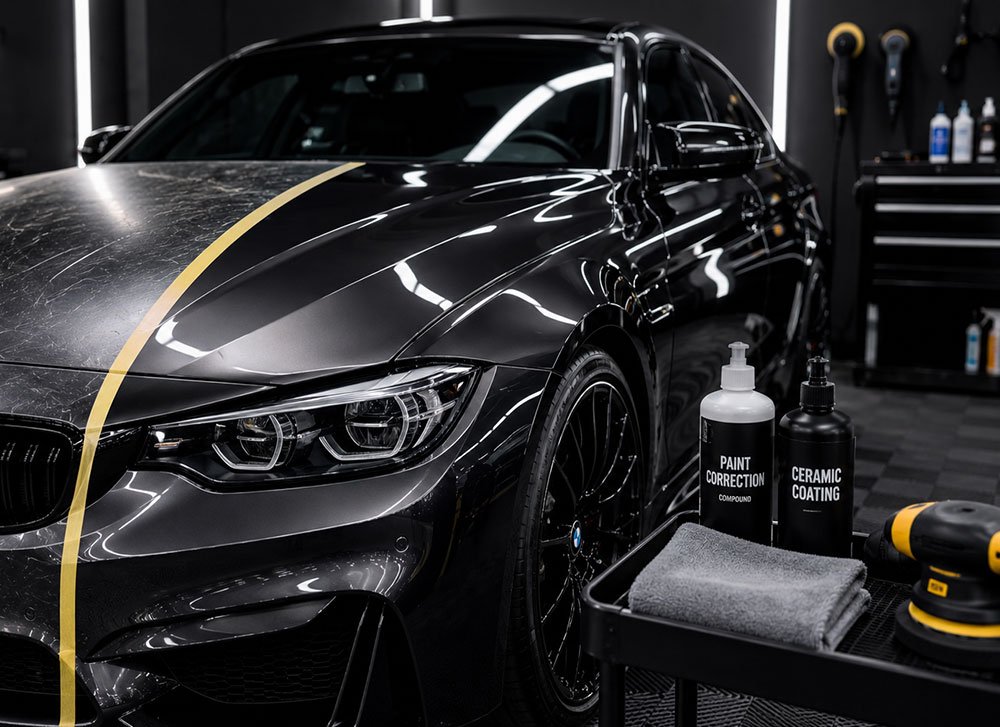
Only partly true. If your paint is already polished and swirl-free, a ceramic coating will enhance the depth and gloss. But if you skip paint correction, the coating can actually highlight flaws by making them shinier.
✅ Truth: You should always do paint correction before applying a ceramic coating — especially on dark-colored vehicles.
❌ Myth 3: I Don’t Need Any Maintenance After Installing PPF or Coating
Not true. Both PPF and coating reduce maintenance, but they don’t eliminate it. You’ll still need to:
- Wash your car regularly
- Avoid automated car washes
- Use pH-neutral shampoo
- Occasionally decontaminate or re-top coatings
✅ Truth: These products are protection layers, not force fields.
❌ Myth 4: I Can Skip Paint Correction if I’m Installing PPF Anyway
That depends on how perfect you want your car to look. If you’re wrapping over minor swirls or paint haze, the PPF will lock that in — permanently.
✅ Truth: Most premium PPF jobs include pre-wrap correction to ensure the car looks flawless through the film.
❌ Myth 5: Matte PPF or Coating Will Fix My Clear Coat Peeling or Oxidation
Absolutely not. PPF and coating should never be applied over compromised paint. Peeling clear coat or oxidized patches must be repainted before protection is applied — or the film won’t stick and will fail.
✅ Truth: These are preventive solutions, not repair tools.
What Should You Do Before Getting PPF or Coating?
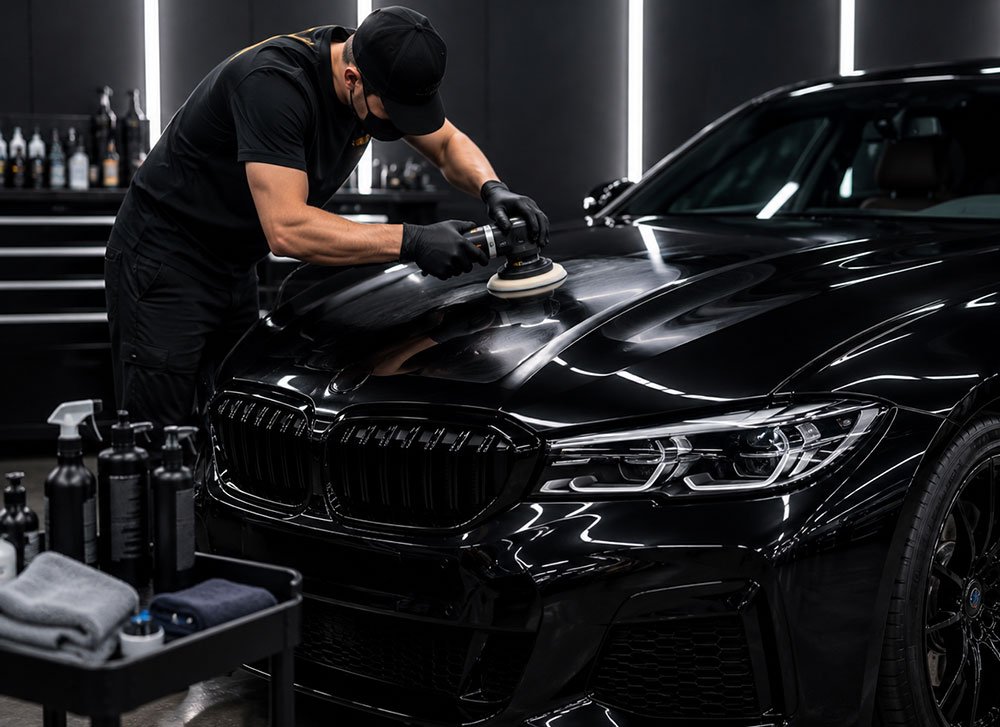
At Wrapsters, we always recommend a paint inspection before any protection service. Depending on the condition of your vehicle, we may suggest:
- Single-stage paint correction – Removes minor swirls and restores gloss
- Multi-stage correction – For deeper defects, oxidation, or older cars
- Polish and prep – If your car is new and only needs light finishing
- Spot repair or repaint – In extreme cases (chipped or peeling paint)
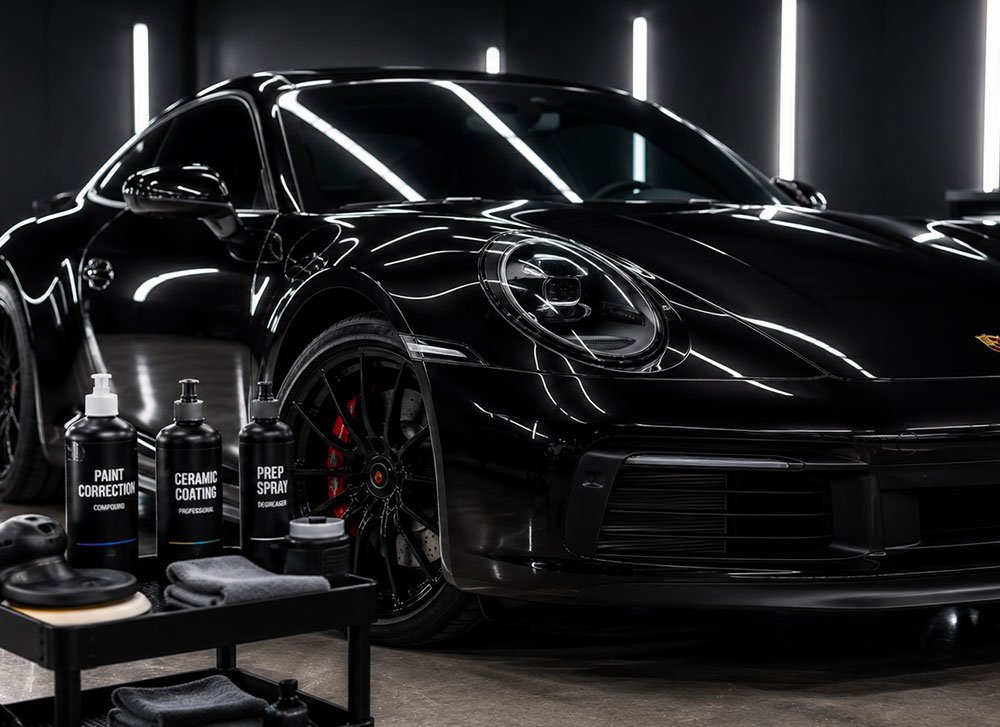
Once your paint is prepped properly, we move on to applying:
- PPF – On high-impact areas or full body
- Ceramic coating – On top of PPF or paint, depending on your goals
- Combo packages – For clients who want long-term protection and easier maintenance
When to Choose PPF vs. Coating?
| Scenario | Best Choice |
|---|---|
| Brand-new luxury car | PPF + Coating Combo |
| Daily driver with decent paint | Ceramic Coating |
| Older car with visible swirls | Correction + Coating |
| Off-roader or sports car (rock chip risk) | Full PPF |
| You want zero swirl marks | Paint Correction + PPF |
| Already wrapped car | Coating for wrap |
Final Takeaway: Know What You’re Paying For
If your goal is to protect your paint, PPF and coatings are phenomenal tools. But if you’re expecting them to “fix” a dull or scratched finish — you might be disappointed.
The secret? Prepare the surface first. Don’t skip the polishing, don’t hide imperfections — correct them, then protect them.
At Wrapsters, we’re honest with our clients. If your car needs correction or touch-up before we wrap or coat it, we’ll tell you — and give you options.
Want to know what your car really needs? Book a free inspection and we’ll give you a paint condition report, no strings attached.